-
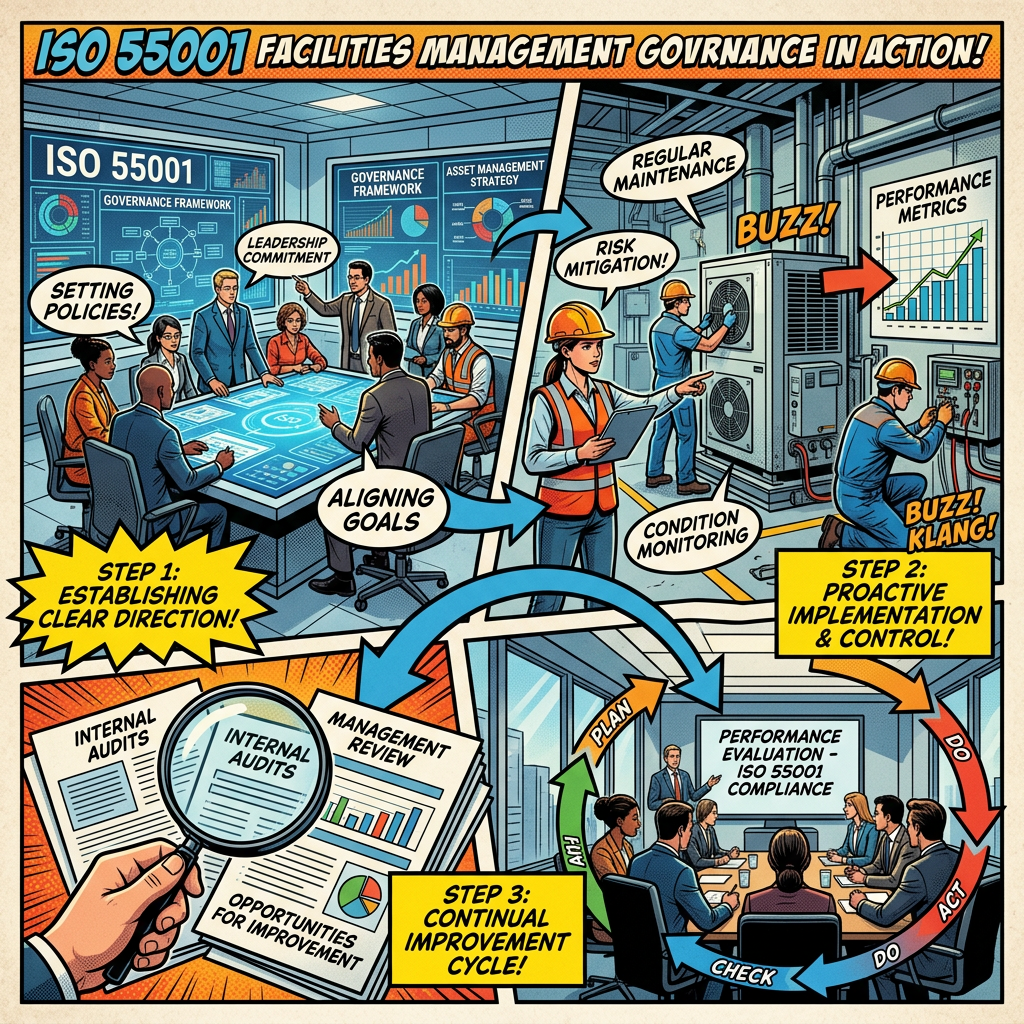 Continue reading →: ISO 55001 Critique: Bridging Policy and Practical Execution
Full transparency right off the bat: I completed a CPD course on ISO 55001 recently, so I am by no means claiming to be a seasoned expert on the standard. These are just my initial impressions coming out of that session, so please don’t drag me over the coals if…
-
 Continue reading →: Beyond the Database—Building an Information Management Engine
Introduction: The “Database” Myth in Construction In the AEC industry, there is an obsession with “databases.” You see it everywhere on LinkedIn: “Stop using Excel,” “Adopt this proprietary BIM platform,” or “Move your workflows to a custom database.” But for most practitioners, these tools end up being walled gardens that…
-
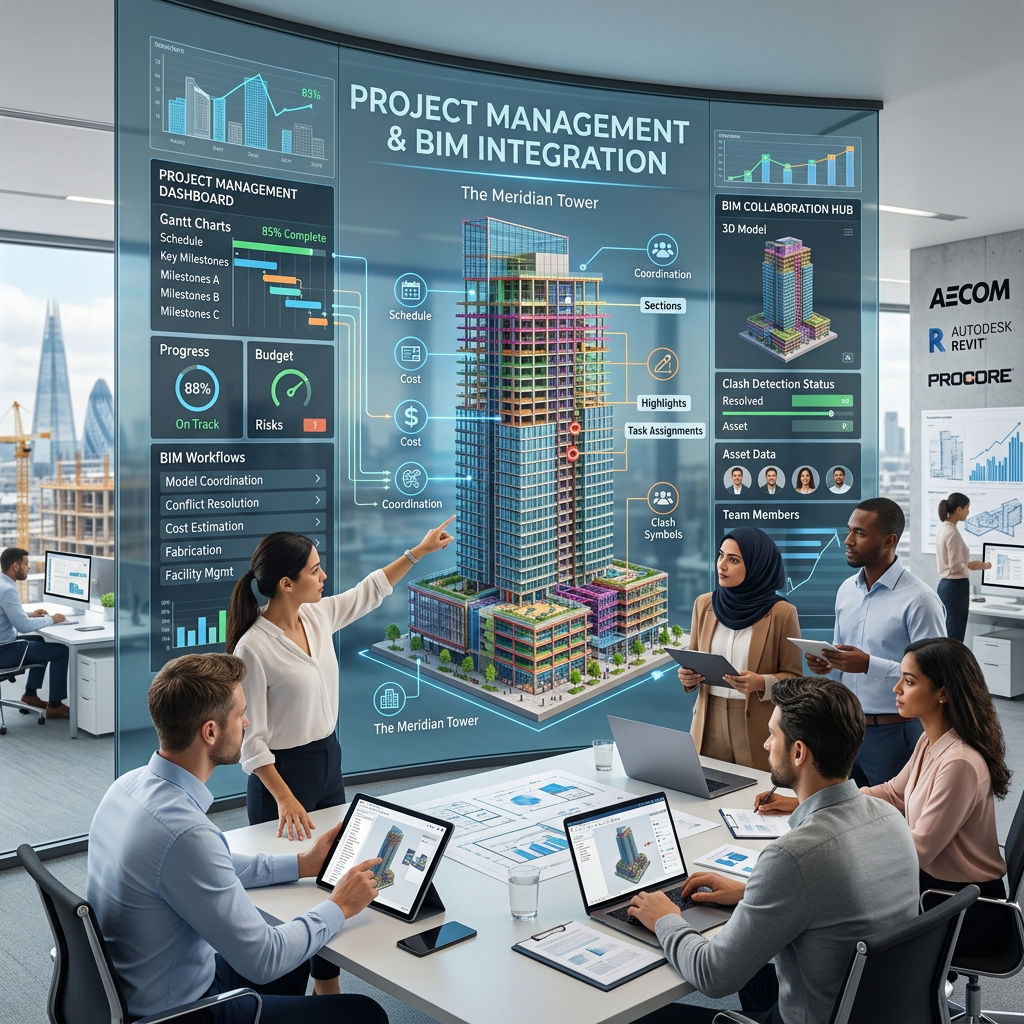 Continue reading →: Project Management & BIM Information Management As One
I have recently been researching and learning Project Management techniques as part of my continued learning. This included reviewing traditional Design Responsibility Matrix (DRM) workflows. The reason being, people have been managing projects for decades before ISO 19650 came along. It has been stated that ISO 19650 was never about…
-
 Continue reading →: The Architect’s Dilemma: Why the “Master Builder” is Losing Ground (and How Data Might Save It)
I recently made a significant pivot, leaving the traditional world of Architectural practice after 20+ years to join a Tier 1 contractor. It’s been a perspective-shifting experience. After two decades on the design side, sitting on the “other side of the fence” has crystalized exactly why the profession is struggling…
-
Continue reading →: The Frictionless Information Management: Why Excel, Email, and Phone Calls Are Your Best Bridges
One trend I have noticed in the Information Management world is a constant push for high-tech solutions—Common Data Environments (CDEs) with complicated workflows, IFC models with complex property sets, and rigid relational databases. While this drive toward progress is good and positive, we need to remember that not everyone in…
-
Continue reading →: BIM vs. IM: The 2026 Digital Reckoning and the “Site-First” Reality
As we move through April 2026, the industry is officially entering what many are calling a “Digital Reckoning.” Between a massive software price hike, a major revision to international standards, and the first cracks appearing in the AI hype cycle, we’ve reached a point where theory is finally being forced…
-
Continue reading →: The BIM Round-up: Cloud Shifts, Smart Data, and AI Waffle
The digital construction landscape is moving fast this quarter. From veteran powerhouses pivoting their entire delivery model to niche tools getting an “AI brain,” there is plenty to unpack. Here is what’s been happening in the world of BIM and Information Management. Solibri’s Giant Leap: Desktop to Cloud The big…
-
Continue reading →: The Information Delivery Manual – ISO 29481: Theory versus Practical BIM Implementation
I was recently reviewing ISO 29481 to see what could be useful for a BIM Information Manager. In the sea of ISO 19650 parts and various national annexes, ISO 29481—the Information Delivery Manual (IDM)—often sits in the background, yet it holds the keys to how we actually define the “what,…
-
Continue reading →: Assets: The New Lifeblood of ISO 19650
The recent evolution of the ISO 19650 series marks a significant turning point for our industry. With the harmonization of the delivery and operational phases—effectively merging the principles of Part 3 into the workflow of Part 2—Assets have officially taken center stage. This isn’t just a technical adjustment; it’s a…
-
Continue reading →: From BIM to IM: Navigating the DIS ISO 19650-2 (2026) Revision
The draft for the new ISO 19650-2 is out, and it’s clear the industry is shifting gears. As we move from the 2018 version into this 2026 update, the focus has moved away from “BIM” as a 3D modeling exercise and toward Information Management (IM) as a lifecycle necessity. But…
Hello,
I’m William
But feel free to call me Willy. I qualified with a BSc (Hons) in Architectural Technology and worked as an Architectural Technologist for over 15 years before moving into BIM Information Management. Since 2015, I’ve been working with BIM and digital construction workflows, and in 2023 I stepped into my current role as a BIM Information Manager. I am also BRE ISO 19650-2 certified, reflecting my commitment to best-practice information management. On this blog, I share insights on BIM and Information Management, along with personal reflections on investing and balancing professional life with family.
Husband | Dad | Dog Owner | Curious Mind
Recent posts
Advice & Information on this website:
The content on this blog is for informational and entertainment purposes only. It is not financial advice. The opinions expressed here are solely my own and do not constitute official financial recommendations.

